
Biodynamic Tree Paste
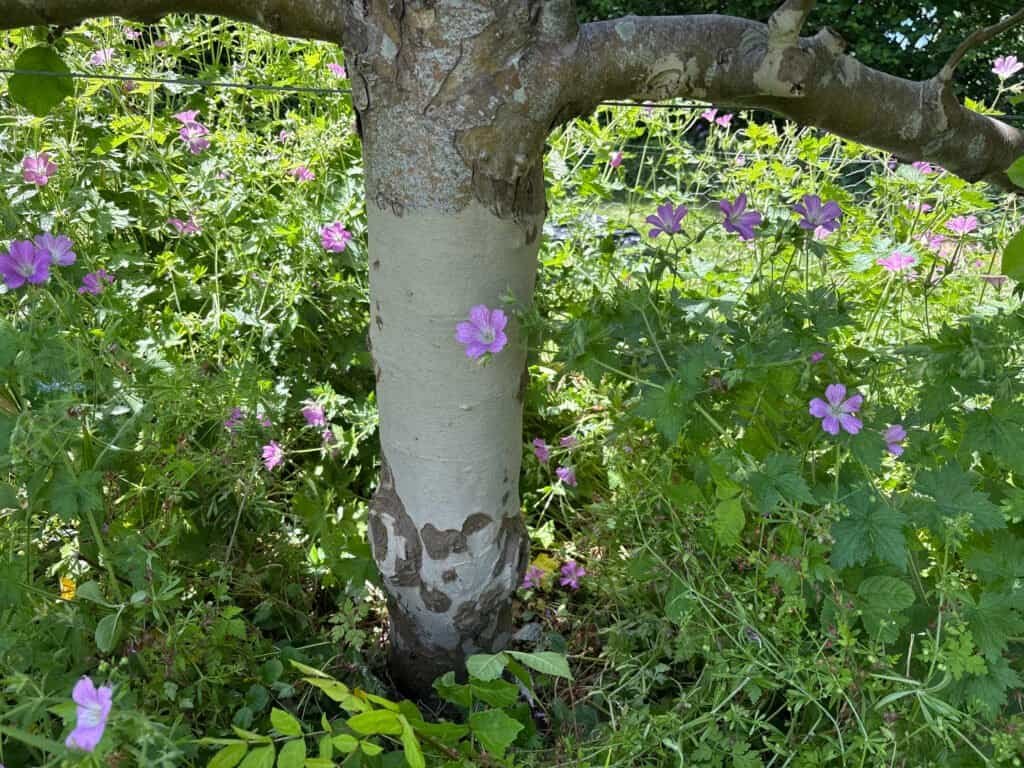
Rudolf Steiner describes the bark of a tree as an extension of the soil. The shoots that arise from the branches are like individual plants reaching out from this elevated earth. Rather than rooting into the ground, however, each shoot connects inwardly to the cambium: the soft, living layer beneath the bark, through which the tree continually renews and nourishes itself.
The tree brings the plant world into a new realm of elevation. In its crown, the life of the plant rises towards astrality, creating a habitat where birds and flying insects flourish. At its base, closer to the earth, beetles, ants and grubs thrive, working within the darker, denser life of the soil.
When we understand the bark of the tree as a form of elevated soil, we recognise the need to care for it and strengthen its vitality. Just as we apply preparation 500 to the earth and add the compost preparations to the compost heap, we must also consider what nourishing applications are appropriate for our trees, especially within the orchard.
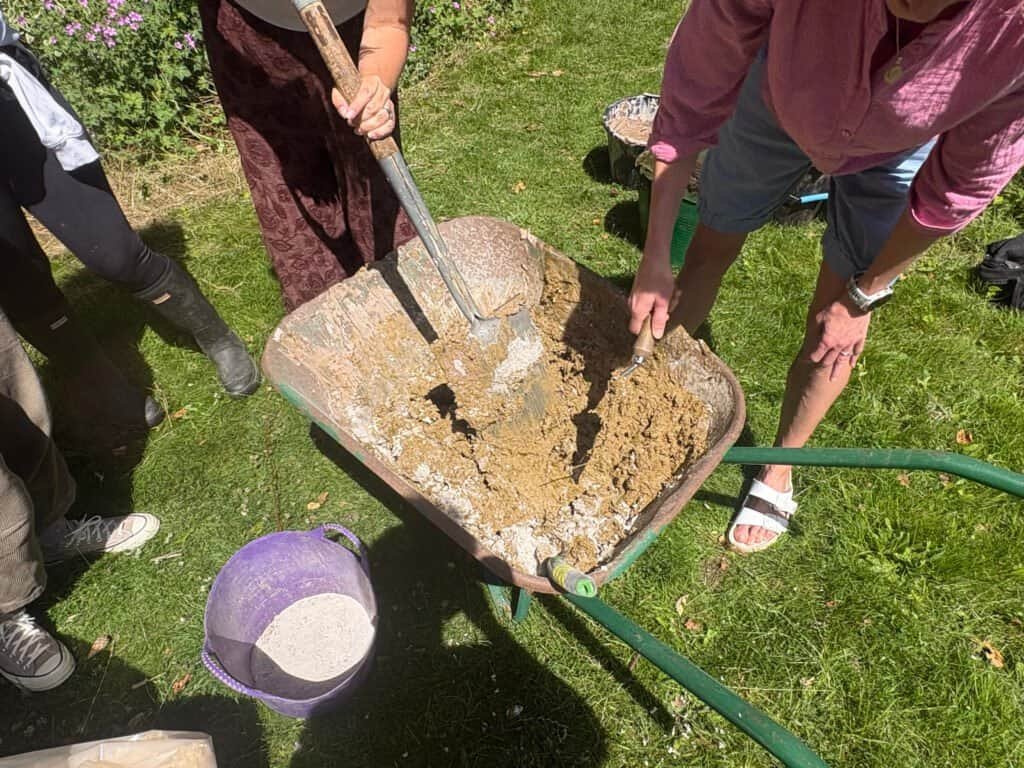
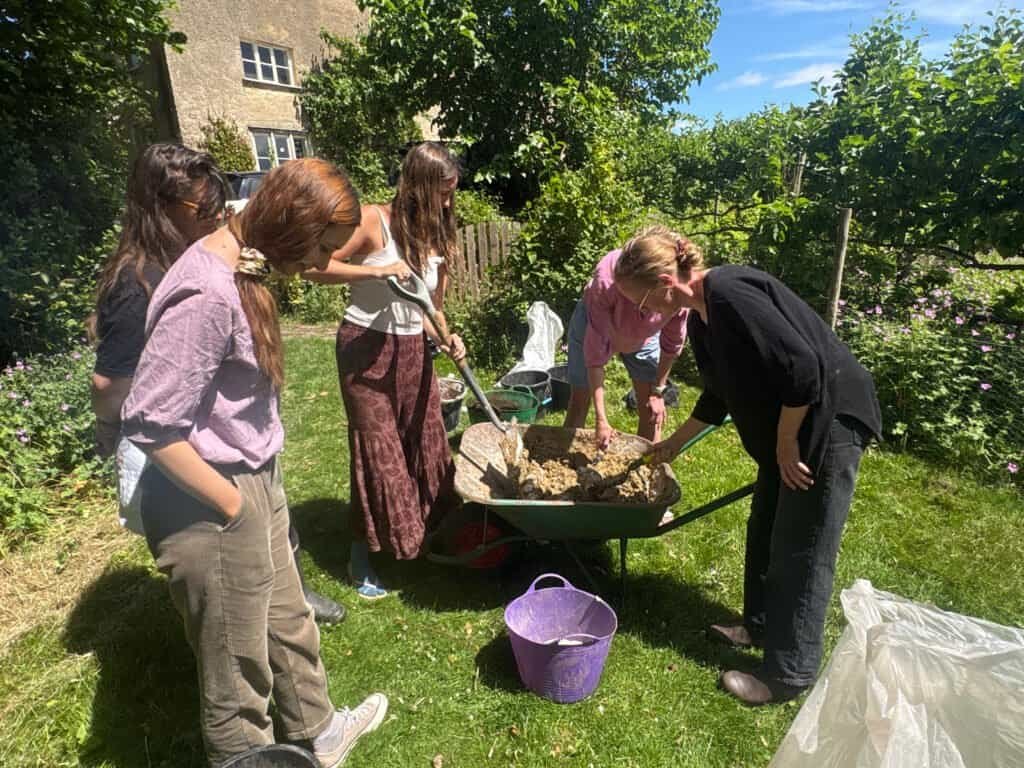
The bark of fruit trees can be damaged by pests, especially during winter. Rabbits and deer may strip away the bark, revealing the bright cambium layer beneath and leaving the tree vulnerable to disease, infection and decay. Or, following a pruning, we may want to cover the cuts we have made on the tree with a protective layer.
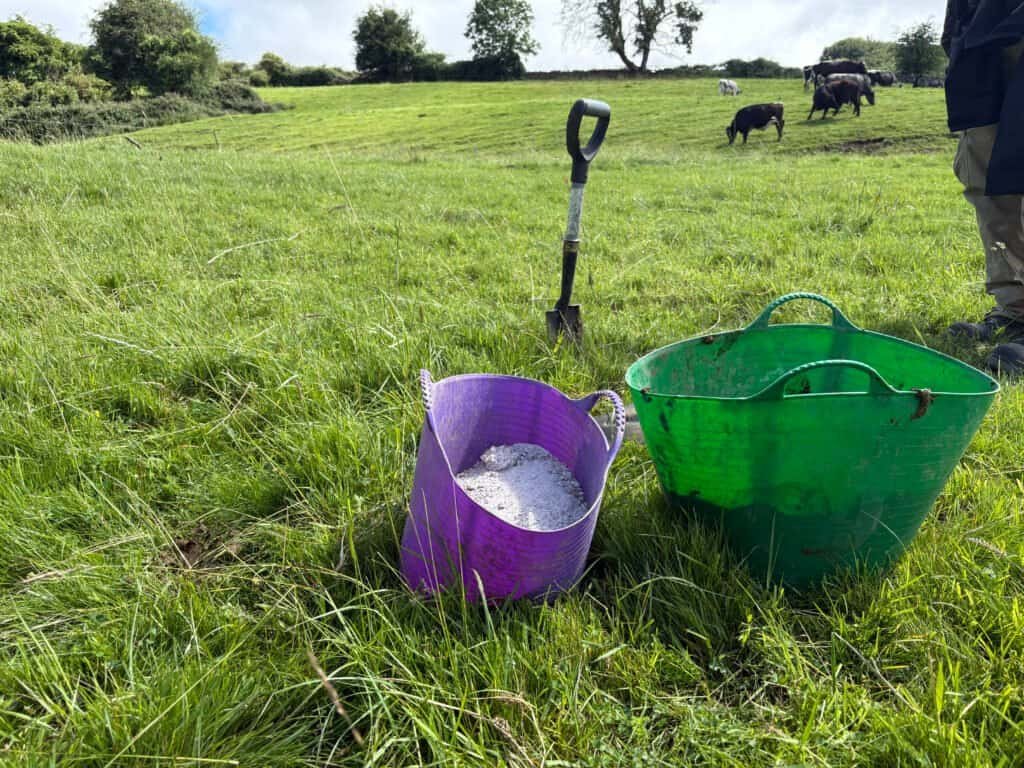
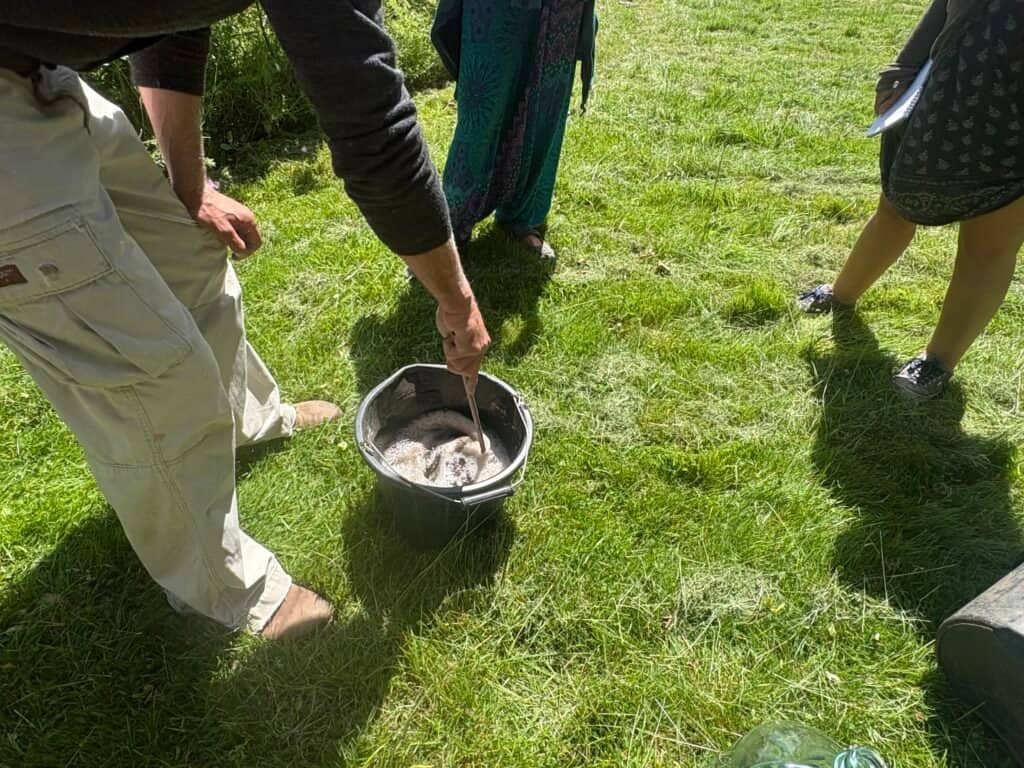
There are many different recipes for biodynamic tree paste, but the principal ingredients are usually cow manure and clay. Biodynamic preparations may also be added, including preparation 508, made from equisetum or horsetail tea, and preparation 500, known as horn manure. Some recipes also incorporate the six compost preparations.
In my recently made tree paste, alongside the key ingredients, I also used some wood ash and fine wood shavings to help thicken the mixture, as I did not have any sand. This appeared to work very well. I will not give an exact recipe, as I think it is important to make it yourself and discover the right balance of materials. The finished paste should have a consistency that allows it to be applied easily to the tree with either a brush or your hands.
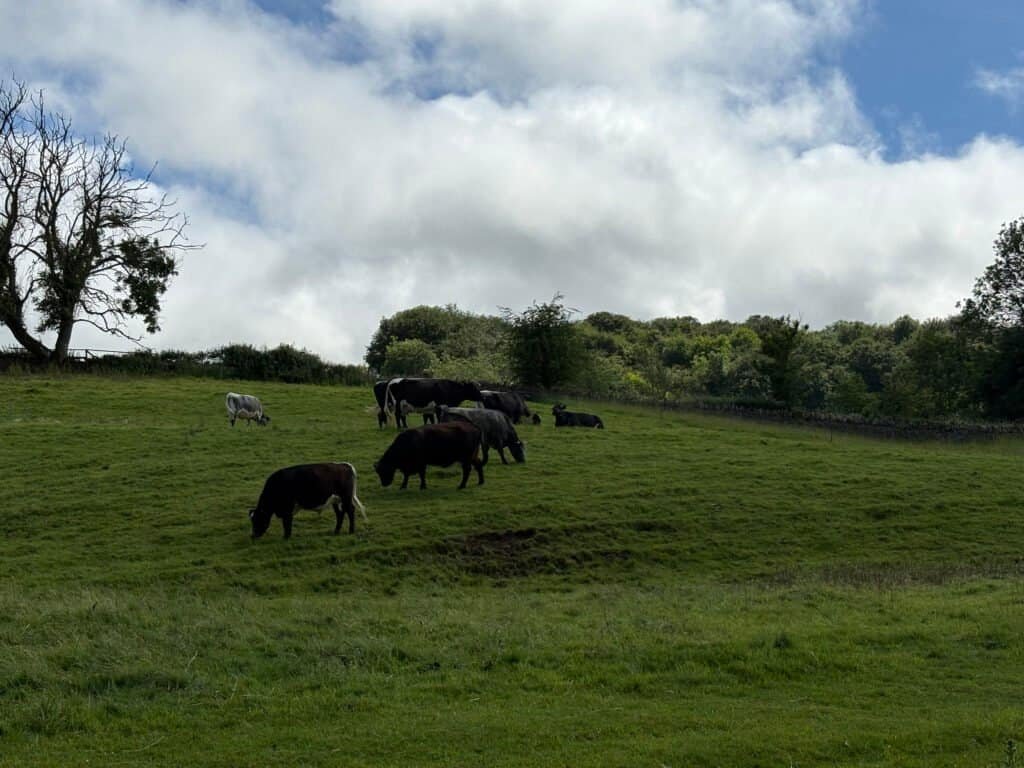
Where rabbits, squirrels, deer or other animals are likely to cause damage, garlic, chilli or cayenne pepper can also be added to the mixture as a deterrent. It is best to apply biodynamic tree paste pre-emptively, as we do with the other preparations, rather than waiting until damage has already occurred. However, when damaged bark is noticed, applying a fresh layer of tree paste can help form a protective covering over the exposed area.
Ideally, most of the ingredients can be sourced from the farm or the surrounding landscape. Once the equisetum tea and preparation 500 are ready, the paste itself is quick and simple to make.
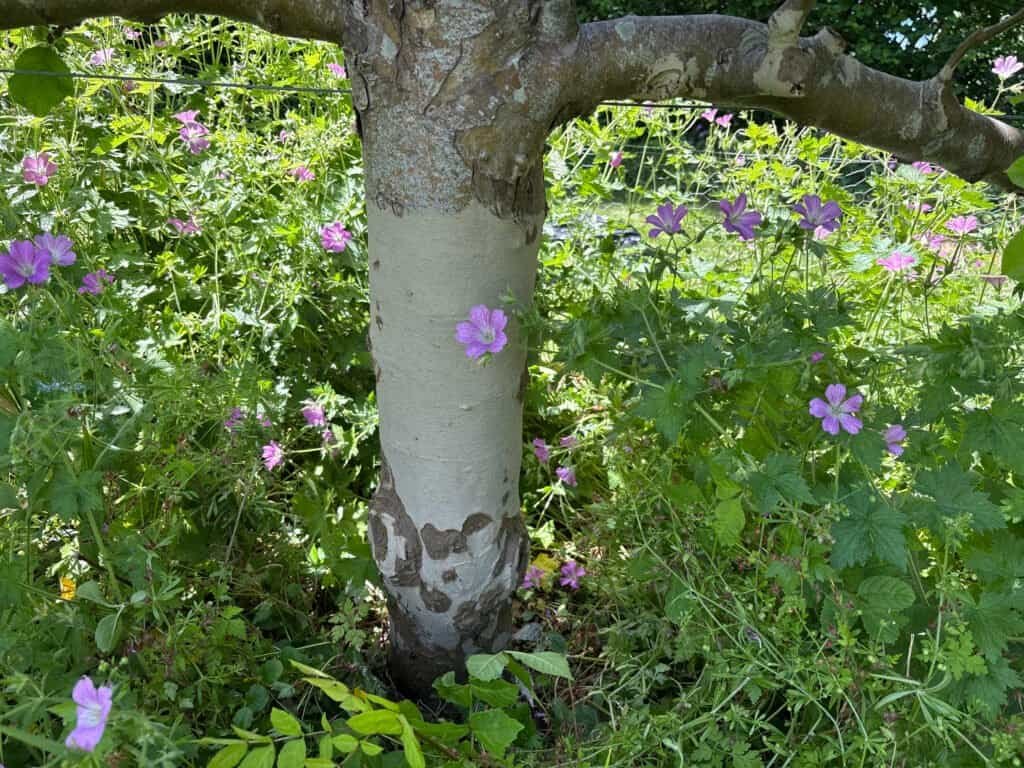
Apply the tree paste generously and carefully, working up the trunk to around three feet or to the first branches. As the clay dries, it is likely to become much lighter in colour, so take care to keep the upper edge neat. While treating each tree, look closely for any damaged areas or missing bark, applying additional paste wherever protection is needed.
More to explore
 25 min read
Therapeutic Education: Co-occuring Autism and Trauma, Sense of Balance, and Gardening
Read article →
25 min read
Therapeutic Education: Co-occuring Autism and Trauma, Sense of Balance, and Gardening
Read article →
 4 min read
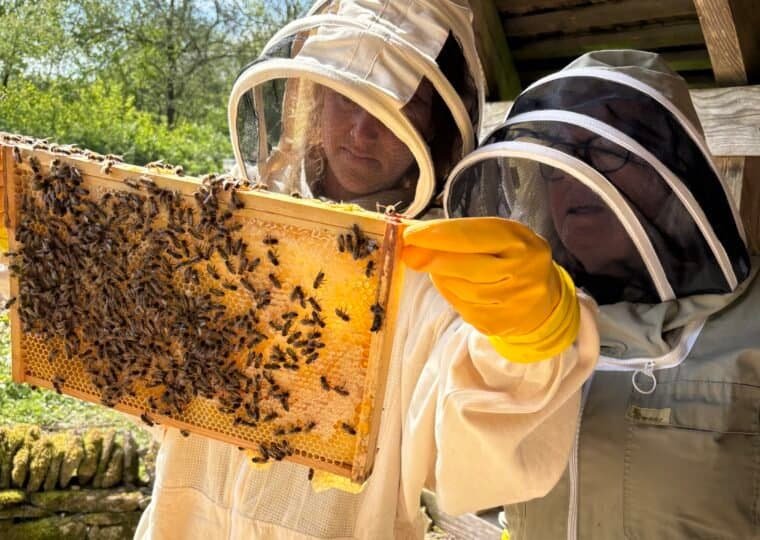
The Life Cycle and Social Roles of the Honey Bee
Read article →
4 min read
The Life Cycle and Social Roles of the Honey Bee
Read article →
 12 min read
Integrated and Diagnostic Ways of Knowing in the Student Study: A Reflexive Analysis informed by McGilchrist’s Hemispheric Framework
Read article →
12 min read
Integrated and Diagnostic Ways of Knowing in the Student Study: A Reflexive Analysis informed by McGilchrist’s Hemispheric Framework
Read article →