

Biodynamic Tree Paste
Rudolf Steiner describes the bark of a tree as an extension of the soil. The shoots that arise from the branches are like individual […]
Read article →Biodynamic Trainee shares my work in biodynamic gardening, beekeeping and land-based therapeutic education, exploring preparations, seasonal rhythms and the farm organism as a living practice.
The work
A practical guide to the biodynamic preparations, from horn manure 500, horn silica 501 and equisetum 508, to the compost preparations 502–507. This section explores how they are made, stirred, stored and applied within the living context of the garden and wider farm organism.
Explore articles →A practical guide to the lunar and planetary rhythms that shape biodynamic practice, from moon phases and sidereal movements to ascending and descending moon, nodes and planetary gestures. This section explores how cosmic rhythms can support observation, timing and practical work within the living context of the garden and wider farm organism.
Explore articles →A section bringing together my Master’s writing and practical experience in land-based therapeutic education. Through sense development, craft, meaningful work and direct engagement with the land, I explore how the farm organism can support attention, development and belonging in young people.
Explore articles →A section exploring compost, humus, fertility and the living soil as foundations of the garden organism. Through practical work and careful observation, I look at how soil health shapes the vitality, balance and resilience of the wider farm organism.
Explore articles →A section exploring the place of animals within the biodynamic farm organism, especially the central role of the cow. Through manure, rhythm, relationship and care, I reflect on how animals support fertility, enliven the land and help shape the farm as a living whole.
Explore articles →A section exploring honey bees, swarming, pollination, Warré hives and the relationship between bees, flowers and landscape. Through practical beekeeping and close observation, I reflect on the importance of bees for nature, and on what human beings can learn from the life, rhythm and wisdom of the hive.
Explore articles →From the journal
Recent writing, reflections, MA PSTE, and practical biodynamics guides.
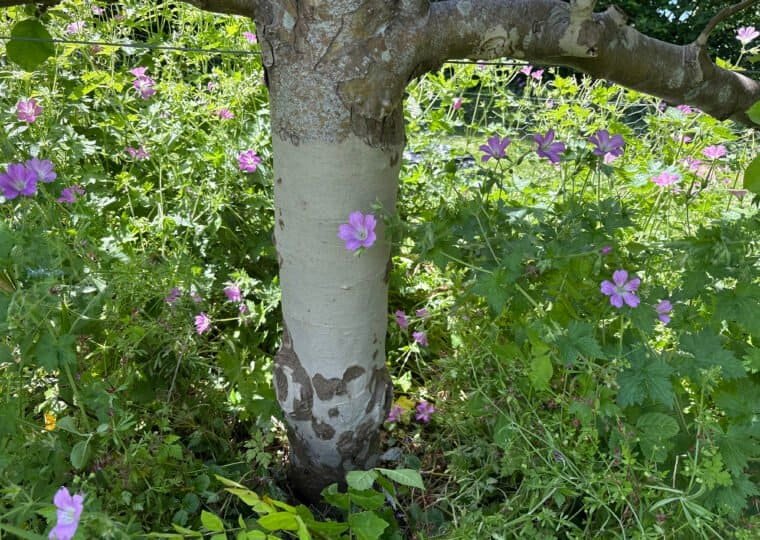
Rudolf Steiner describes the bark of a tree as an extension of the soil. The shoots that arise from the branches are like individual […]
Read article →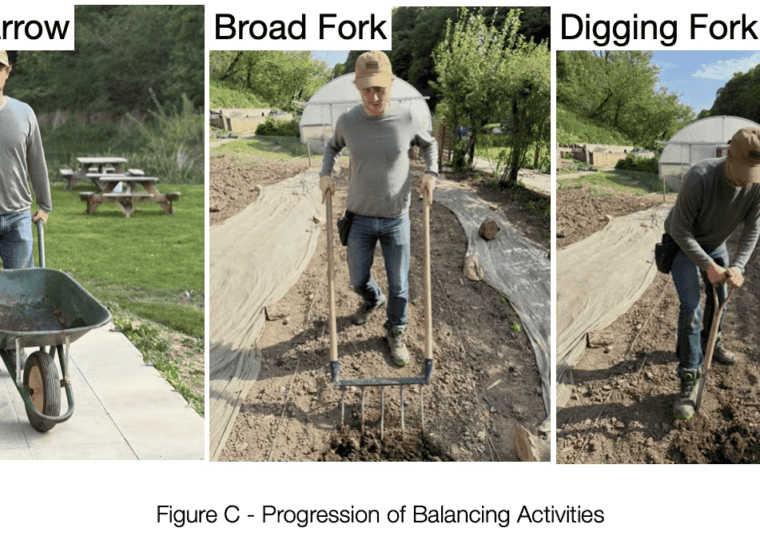
Field Four: Therapeutic Education is the keystone of the RMT’s seven fields of practice, and relates to the six other fields of practice (see […]
Read article →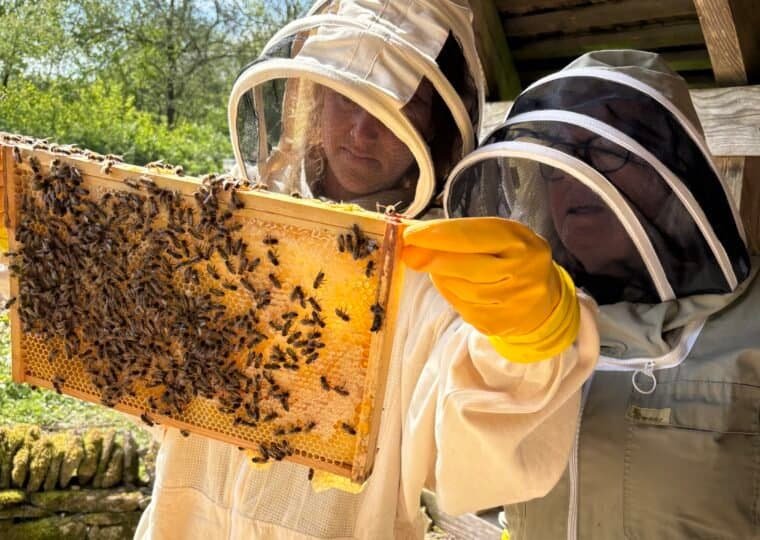
The honey bee colony is made up of worker bees, drones, and a queen. The female worker bees build wax, forage for pollen and […]
Read article →Biodynamic tool
A simple way to follow lunar rhythms, sidereal constellations, planetary movements and biodynamic timing for your garden.
Search the site