
The fourfold human being is a concept that sits at the heart of anthroposophy and biodynamics. It is of profound importance, yet it is often misunderstood. Recently, I listened to a presentation by an anthroposophical doctor that helped to illuminate this idea with great clarity. I would like to express the fourfold human being here in similar terms, in the hope that it may shed light on — and deepen — your biodynamic practice.
In the early centuries of Christianity, the human being was commonly understood as a being of body, soul, and spirit. This view, shaped by biblical sources and Greek philosophy, allowed for a living sense of the human being as more than a physical organism. The body was seen as the earthly vessel, the soul as the seat of feeling and moral life, and the spirit as that within the human being which could know God.
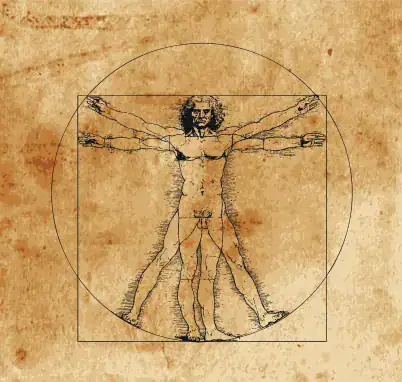
Over time, this understanding began to change. As Christianity became increasingly institutionalised, theology moved toward clearer definitions and greater doctrinal certainty. Gradually, the spirit was absorbed into the soul, and the human being came to be described primarily as body and soul. This shift was consolidated in Western Christianity during the Middle Ages, and formally affirmed at the Council of Constantinople (869–870), where earlier trichotomous views were set aside. The Orthodox Church hold onto a tripartite and makes clear distinctions between the body, soul, and spirit.
Even today, we have to fight to hold onto the idea that we have a soul, in secular society, that we are something more than just physical matter, acting mechanically. The fourfold human being has its roots in ancient wisdom, such as in Vedic philosophy, where the human being was understood as fivefold.
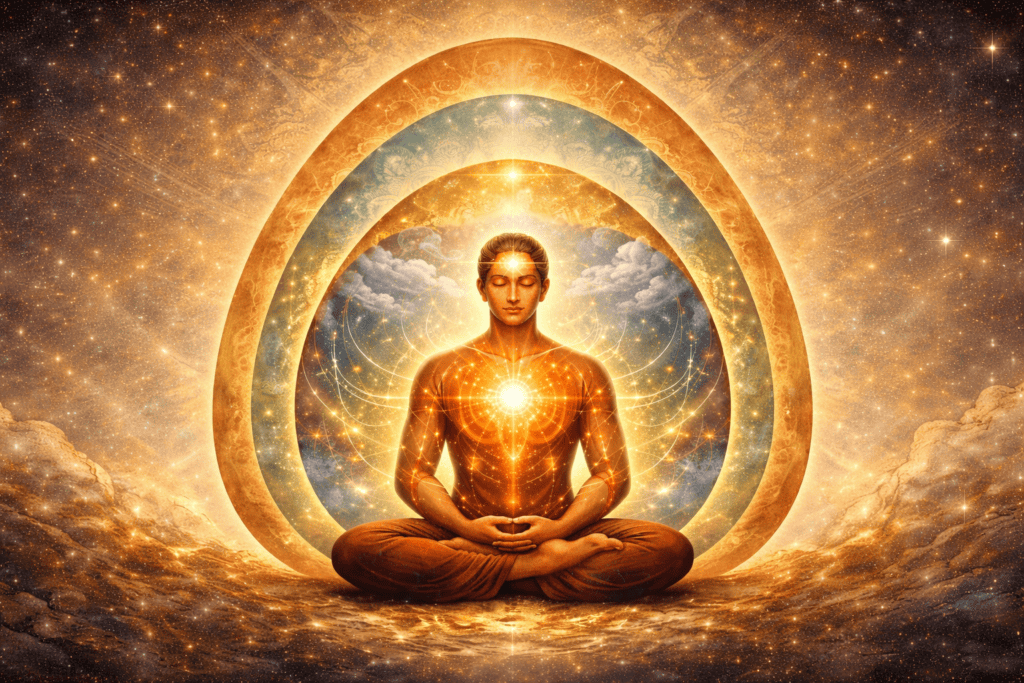
Annamaya kosha – the physical body, sustained by food
Pranamaya kosha – the life or energy body (prāṇa)
Manomaya kosha – the soul of feeling, perception, and imagination
Vijnanamaya kosha – the discerning or higher soul
Anandamaya kosha – the deepest sheath of bliss, closest to spirit
Rudolf Steiner sought to renew this earlier understanding in a form suited to modern consciousness — describing the human being as physical body, etheric body, astral body, and ego.
| Physical Body | Etheric Body | Astral Body | Ego / I |
| Body | Soul | Spirit | |
| Annamaya kosha | Pranamaya kosha | Manomaya kosha / Vijnanamaya kosha | Anandamaya kosha |
| Mineral | Plant | Animal | Human |
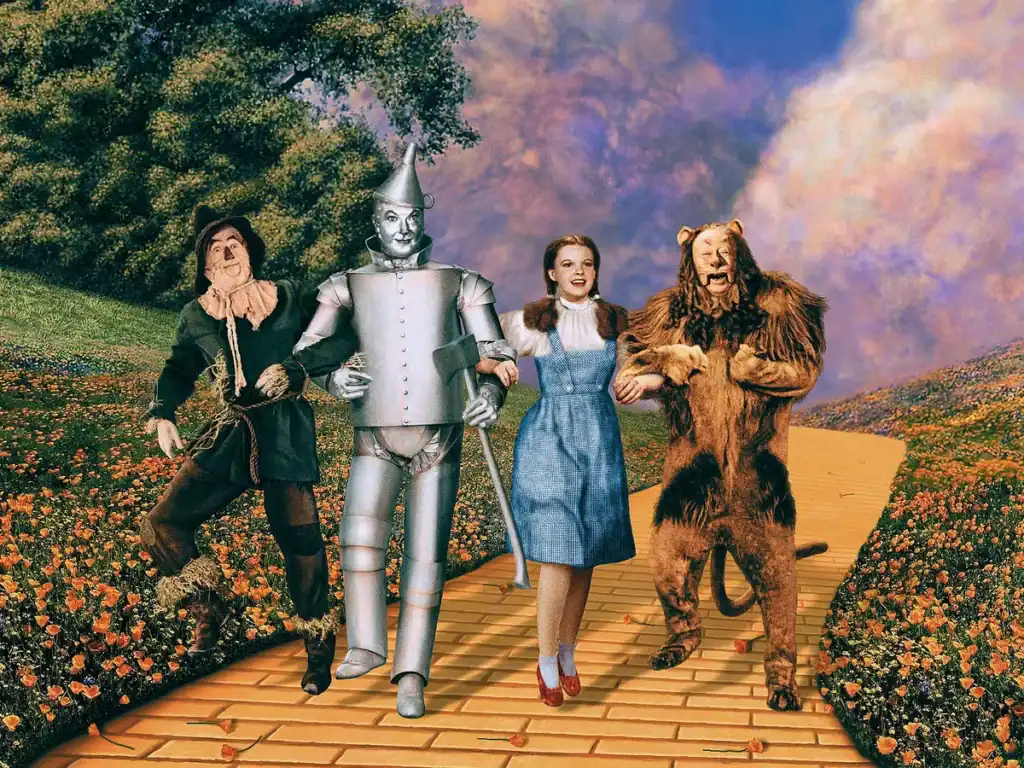
The fourfold human being can also be seen symbolically in The Wizard of Oz, written by Frank Baum, who was a member of the Theosophical Society. The Theosophical Society held a fourfold conception of the human being, drawn largely from Eastern spiritual traditions. Rudolf Steiner later became part of the Theosophical Society before going on to found Anthroposophy.
In The Wizard of Oz, we encounter the Tin Man, representing the physical body; the Scarecrow, representing the etheric; the Lion, representing the astral; and Dorothy, representing the human ego. Together, they journey along the Yellow Brick Road — a symbolic path of initiation.
Physical Body
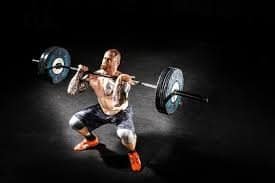
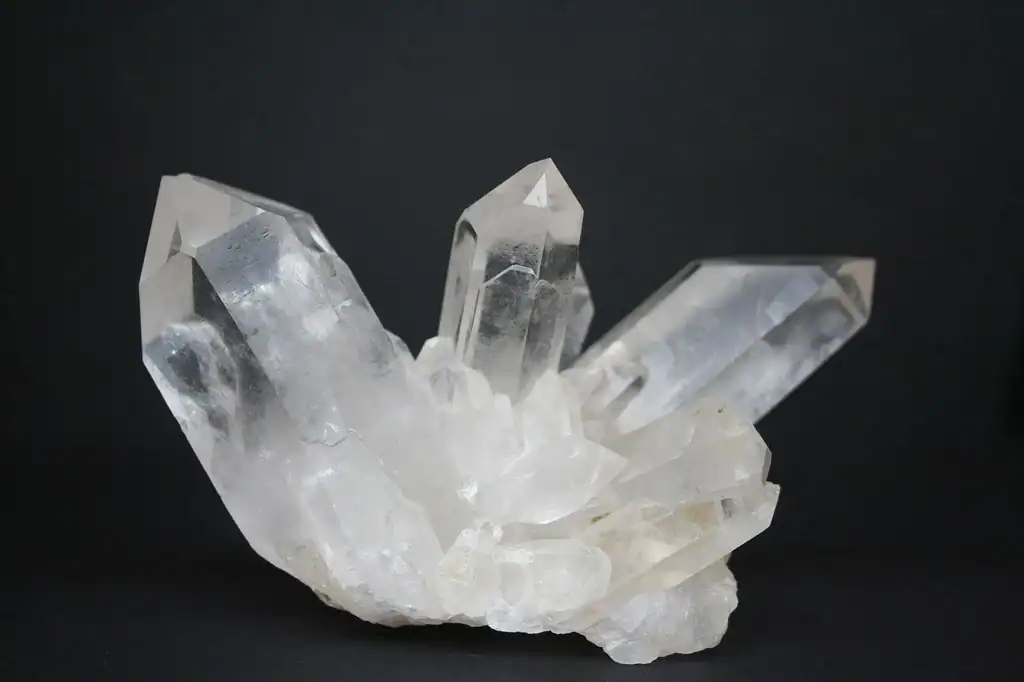
The physical body is the most visible aspect of the human being and is shared, in its substance, with the mineral world. It gives us form, structure, and weight, and is governed by physical and chemical laws. On its own, however, the physical body is inert; it can only remain alive through the presence of higher organising forces.
Etheric Body
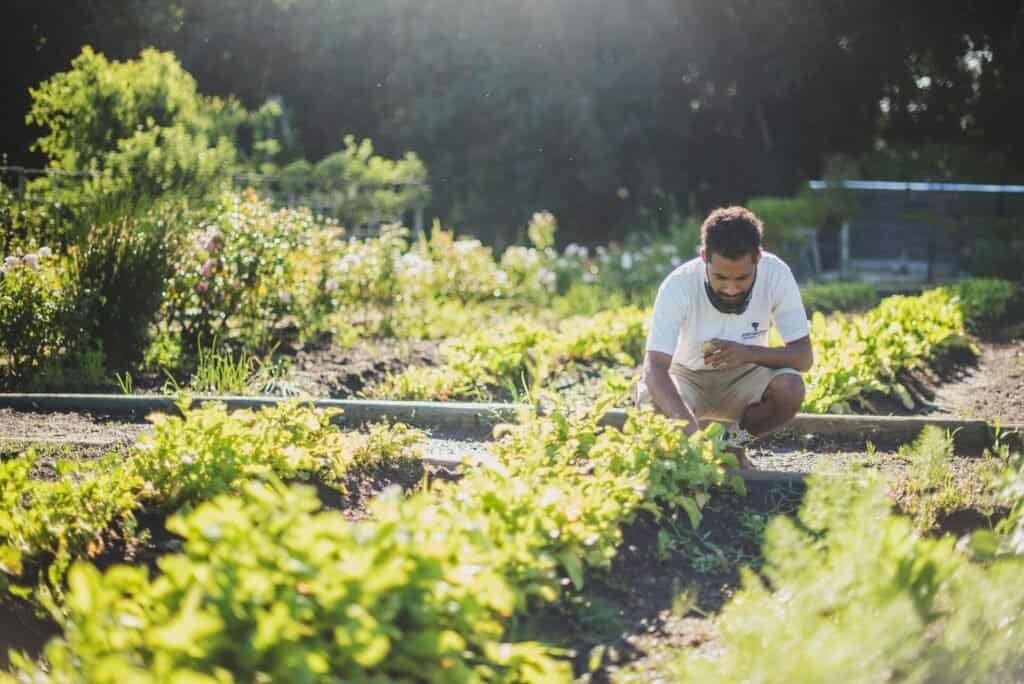
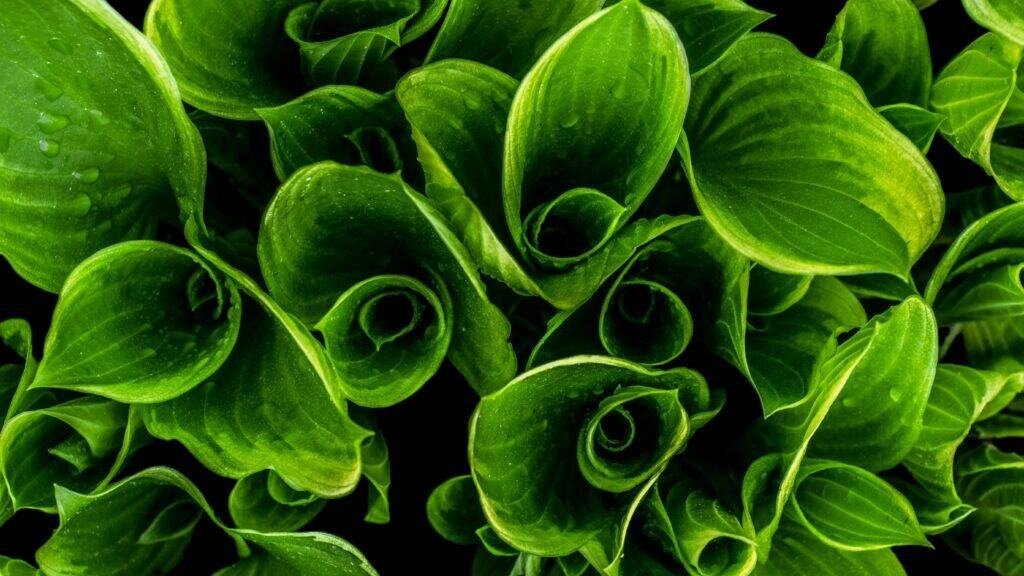
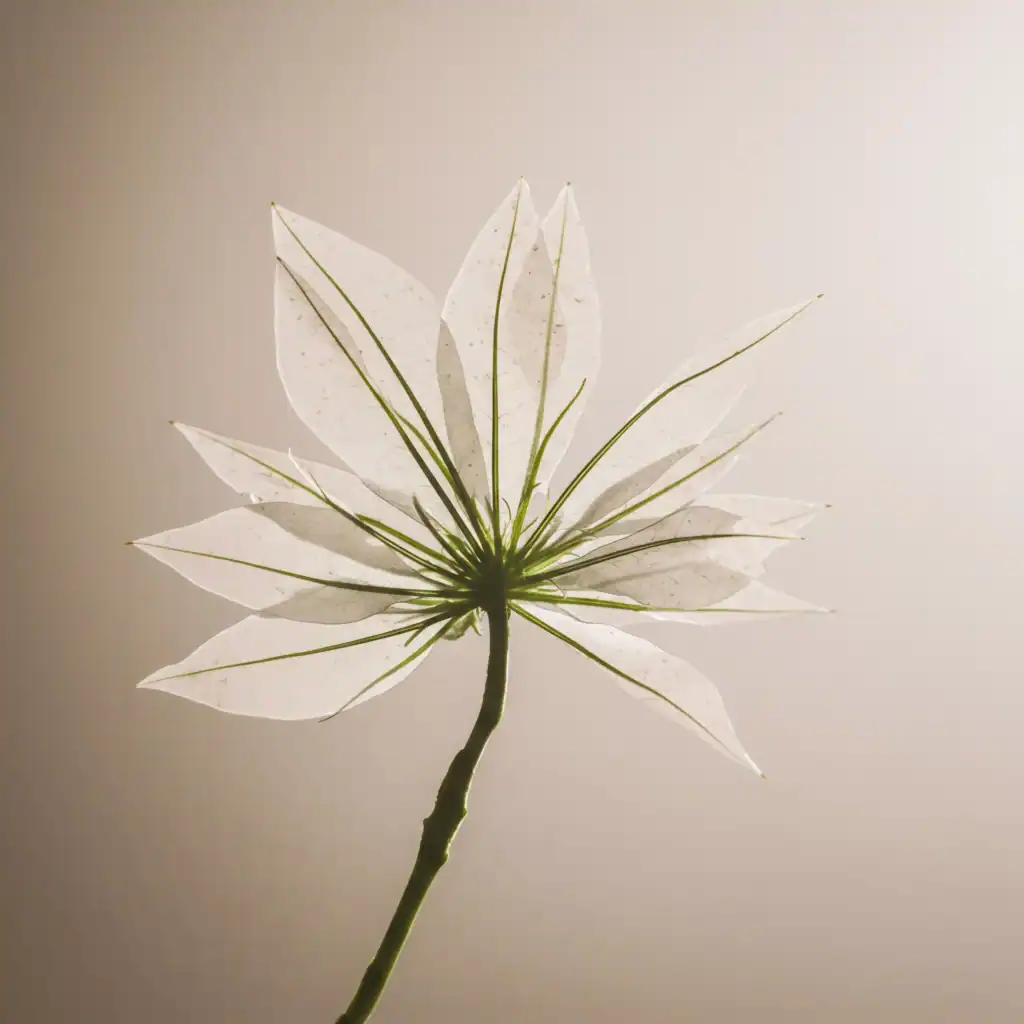
The etheric body is the bearer of life. It works against decay, shaping growth, regeneration, and rhythm. It is active in processes such as digestion, healing, and reproduction, and is shared with the plant world. The etheric body is closely connected to time, repetition, and vitality.
Astral Body
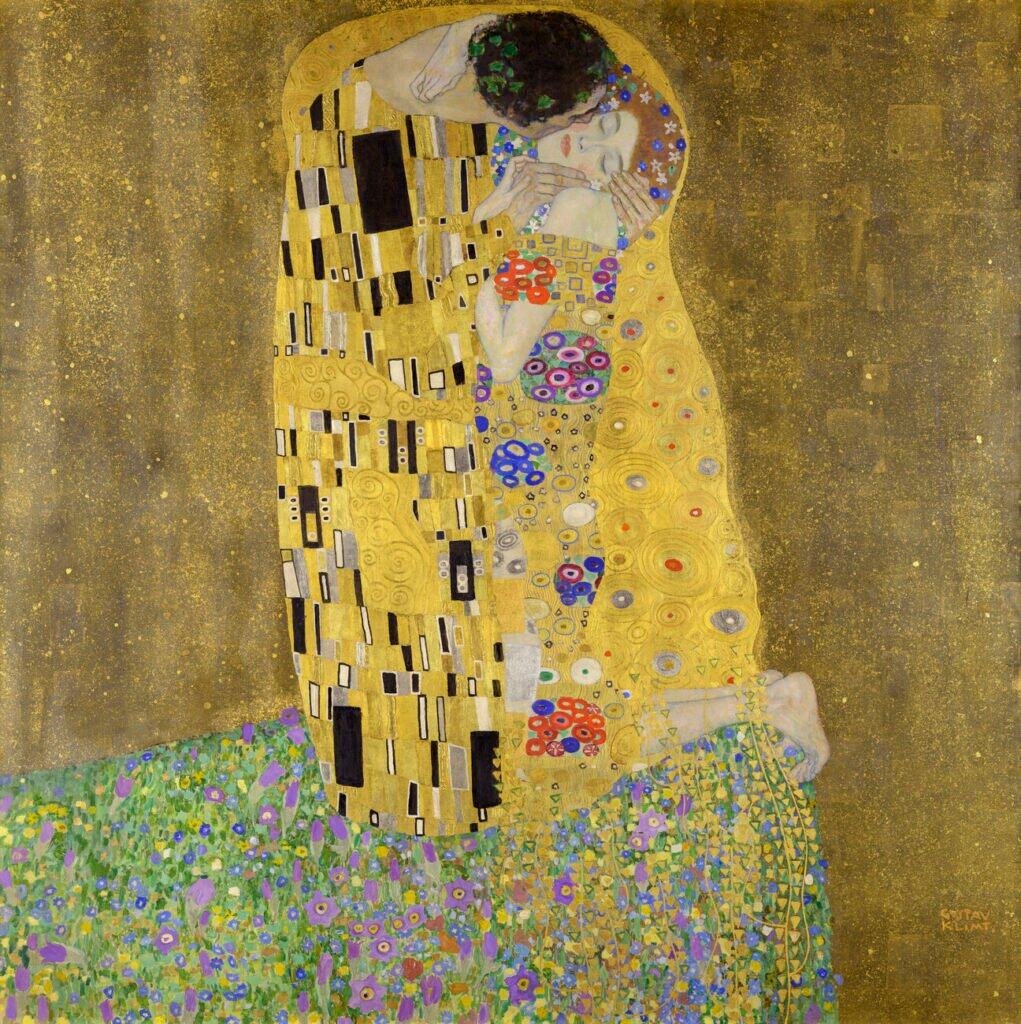
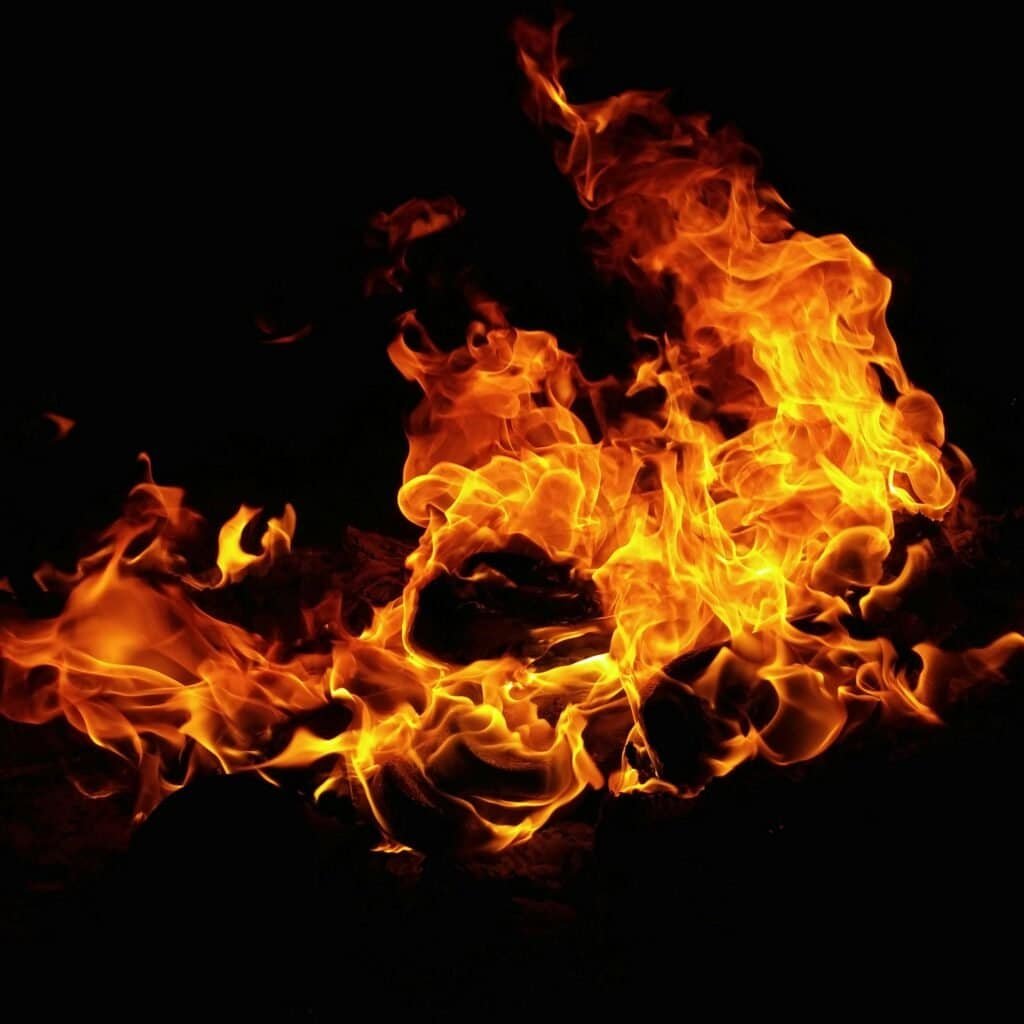
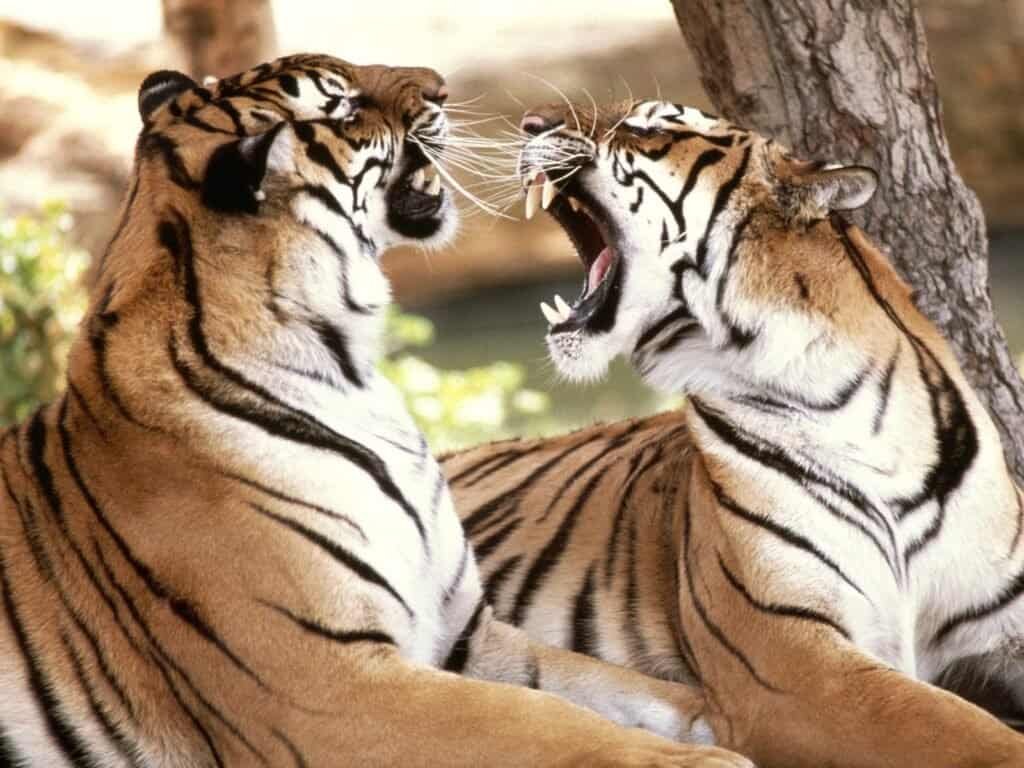
The astral body brings sensation, movement, emotion, and consciousness. Through it, we experience pleasure and pain, desire and aversion, fear and joy. It is shared with the animal kingdom and introduces mobility and inner experience into the organism. In human life, the astral body is particularly active in the realm of feeling and imagination.
Ego / I
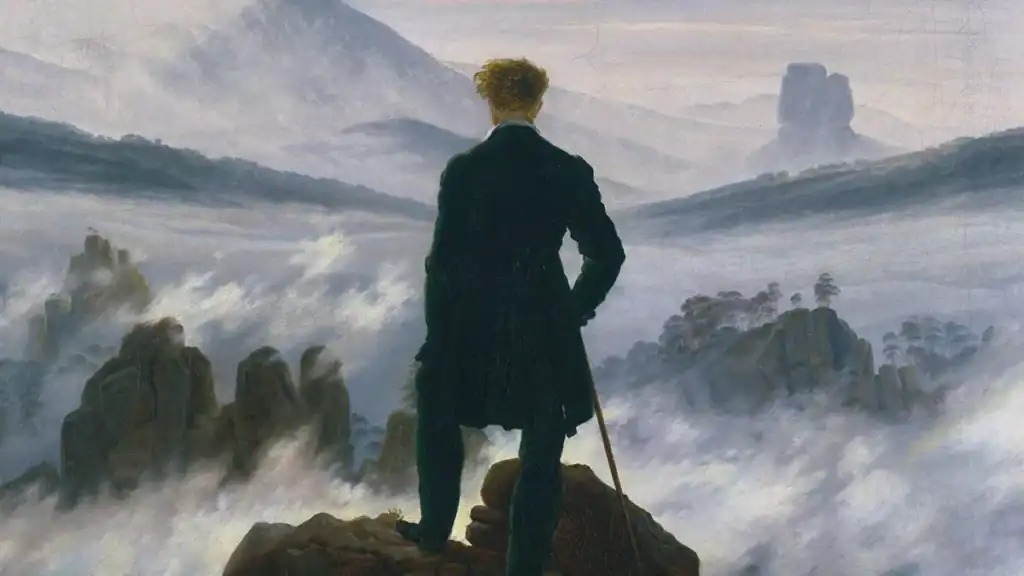
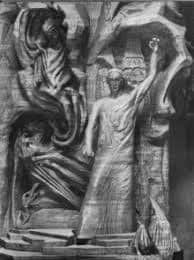
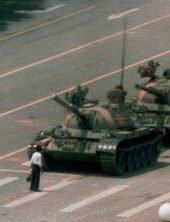
The ego, or “I”, is the uniquely human spiritual core. It gives the capacity for self-awareness, moral choice, and purposeful action. Through the ego, the human being can gradually bring the physical, etheric, and astral bodies into conscious relationship and balance. In anthroposophy, the task of human development is not to suppress these lower bodies, but to permeate them with awareness, responsibility, and meaning.
|  |  | |
| Ego / I | |||
| Astral | Astral | ||
| Etheric | Etheric | Etheric | |
| Physical | Physical | Physical | Physical |
In biodynamic understanding, the four realms are distinct and clearly differentiated, yet they are not static. The physical, etheric, astral, and Ego/I are separate domains, each with its own qualities and laws. However, within each realm there can be movement, refinement, and development toward the qualities of another.
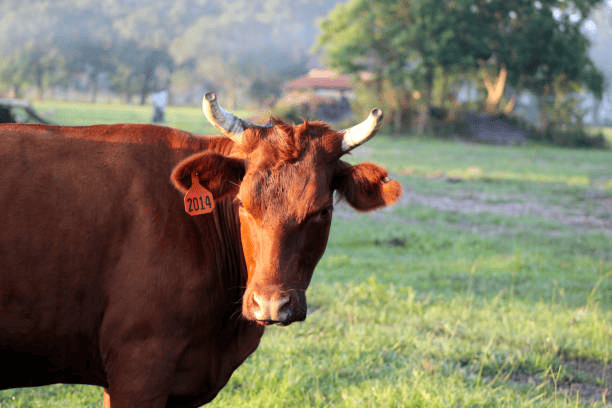
The soil and mineral ground belong firmly to the physical realm, while plants remain rooted in the etheric sphere of growth and life. Animals and insects are astral beings, characterised by movement, sensation, and instinct. The Ego or “I” is unique to the human being, expressed on the farm through the conscious presence of the farmer or gardener.
Within these realms, however, certain beings may display heightened characteristics. Domesticated animals, particularly pets, can show stronger Ego-like qualities through individual personality, memory, and relationship to human intention. Likewise, some plants may carry pronounced astral gestures, such as vivid colour, scent, or form, while certain insects can express etheric lightness and rhythm.
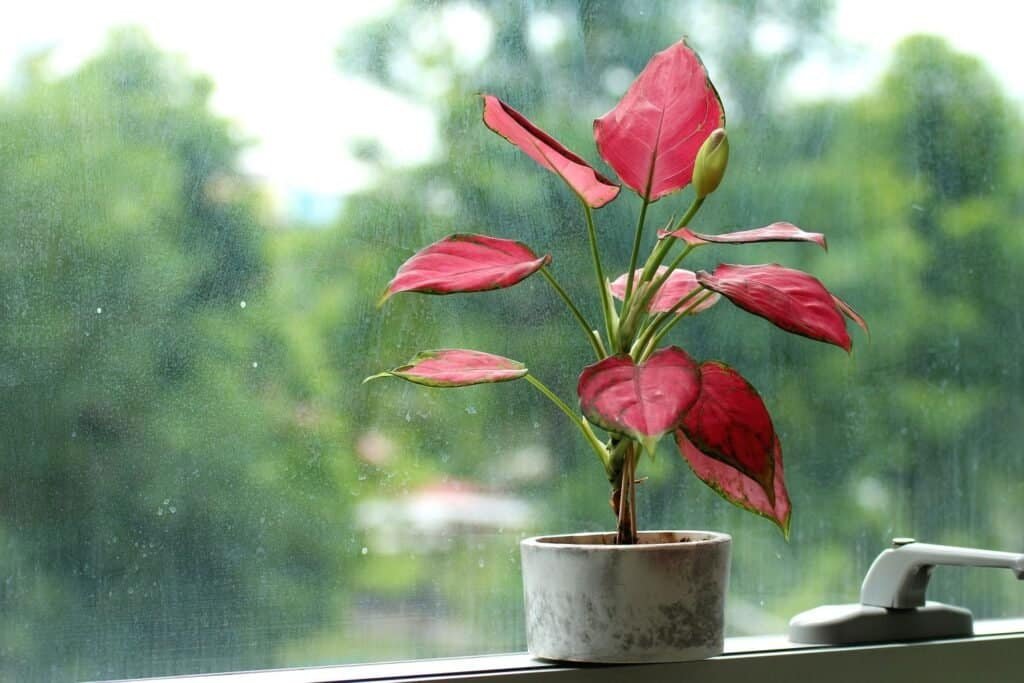
Two Dimensional
In biodynamic understanding, the plant is primarily a two-dimensional being. It is rooted between earth and cosmos, growing upward and outward but remaining largely fixed in place. Its life unfolds along vertical and horizontal axes, expressing the etheric forces of growth, form, and rhythm rather than individual movement or choice.
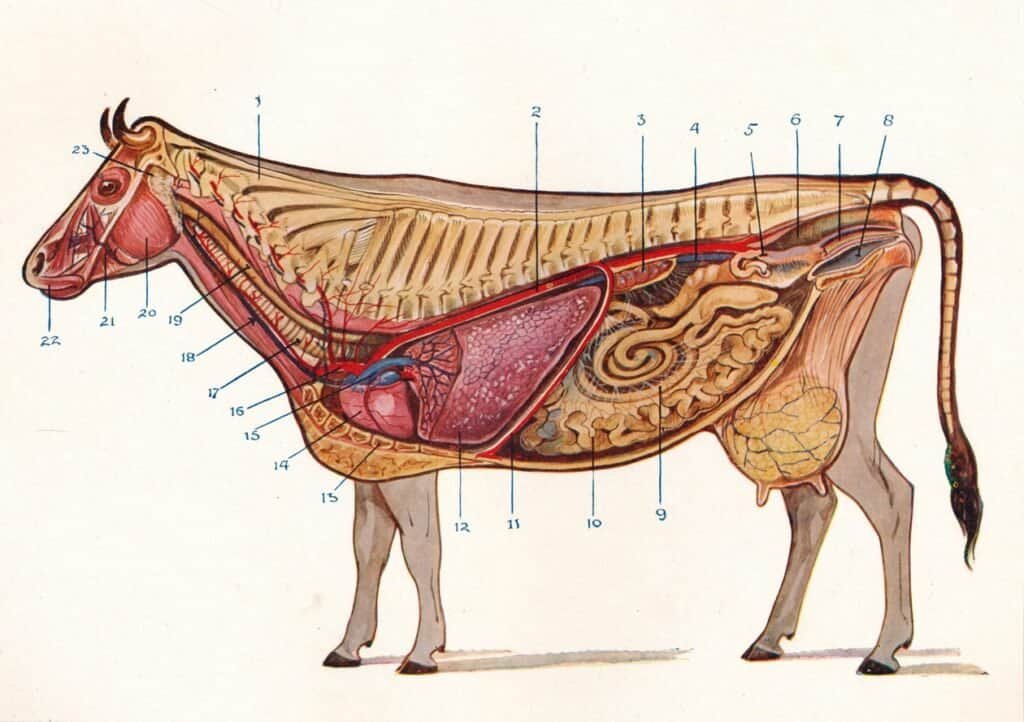
Three Dimensional
The animal, by contrast, is a three-dimensional being. It moves freely through space, guided by sensation, instinct, and desire. With this capacity for movement comes an inner orientation — front and back, above and below, left and right — expressing the astral realm of feeling and experience. Where the plant is shaped by its environment, the animal actively encounters and responds to it.
Health and illness arise as reflections of the interplay between the astral and etheric bodies.
Modern medicine can largely be understood as acting upon the physical body of the human being. In contrast, alternative therapies such as acupuncture, shiatsu, reflexology, massage, and kinesiology may be understood as working primarily with the etheric body. Within Chinese medicine, this etheric body corresponds closely to Qi (Chi), or life force. Diet, herbal medicine, and supplements can be seen as acting on both the physical and etheric bodies, supporting substance while also strengthening vitality.
Hypnosis and emotional release therapies work primarily on the astral body, engaging with feelings, memories, and inner imagery. Similarly, counselling and shadow work address the astral body and, in some cases, may also work with the Ego or “I” organisation, particularly where conscious self-reflection and moral insight are involved. Many anthroposophical doctors argue that certain pharmaceutical drugs can create a degree of separation between the Ego, astral, and etheric bodies and the physical body, especially when used in ways that suppress symptoms without addressing underlying imbalances.


Therapies such as rhythmical massage, eurythmy therapy, and anthroposophical medicine seek to harmonise the etheric and astral bodies, supporting their integration with the physical body and strengthening the presence of the Ego. From this perspective, healing is understood not only as the removal of illness, but as the restoration of balance and coherence within the whole human being.
Recent Posts
What Artifical Fertilisers Do to the Soil: Insights from Alex Podolinsky
“Plants should take in elements via humus and not through the soil water” - Rudolf SteinerIn the Agriculture Course, Steiner speaks of the soil becoming deaf to the forces of the cosmos....
In old times, humanity had an instinctive relationship with the cosmos, and agriculture was conducted with deep reverence for these rhythms. The peasant farmer was deeply attuned to them.“Let...