
Biodynamic Tree Paste
Rudolf Steiner describes the bark of a tree as an extension of the soil. The shoots that arise from the branches are like individual […]
Read article →Archive
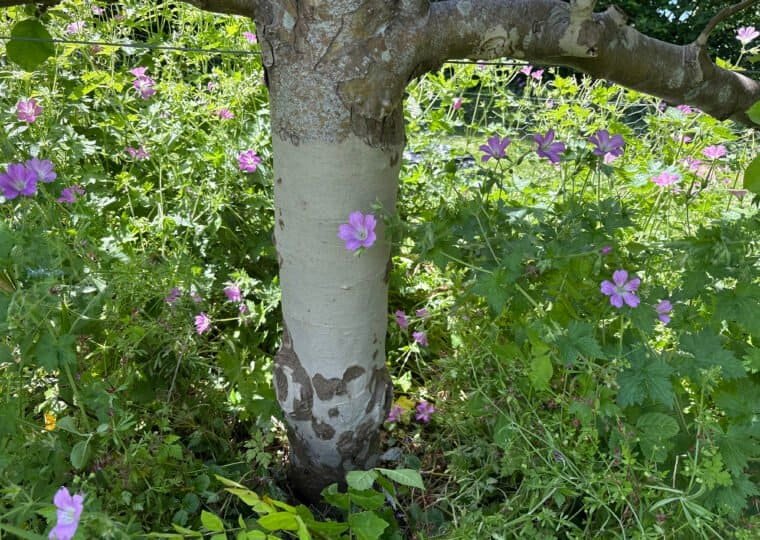
Rudolf Steiner describes the bark of a tree as an extension of the soil. The shoots that arise from the branches are like individual […]
Read article →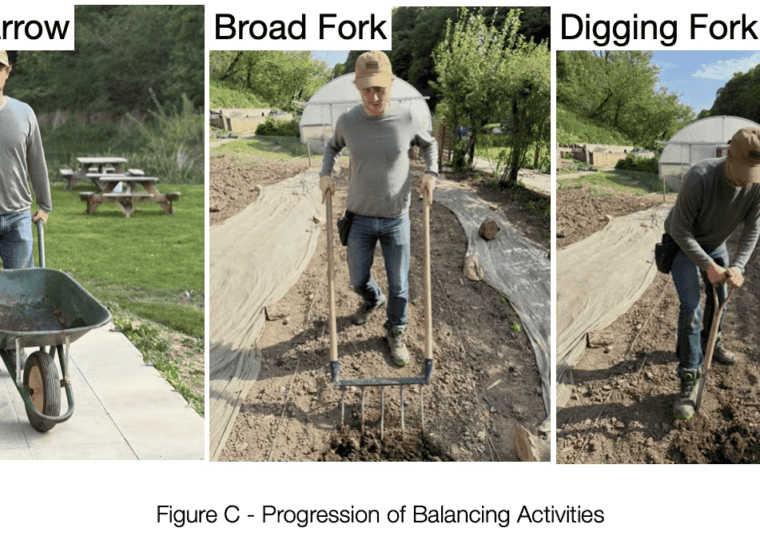
Field Four: Therapeutic Education is the keystone of the RMT’s seven fields of practice, and relates to the six other fields of practice (see […]
Read article →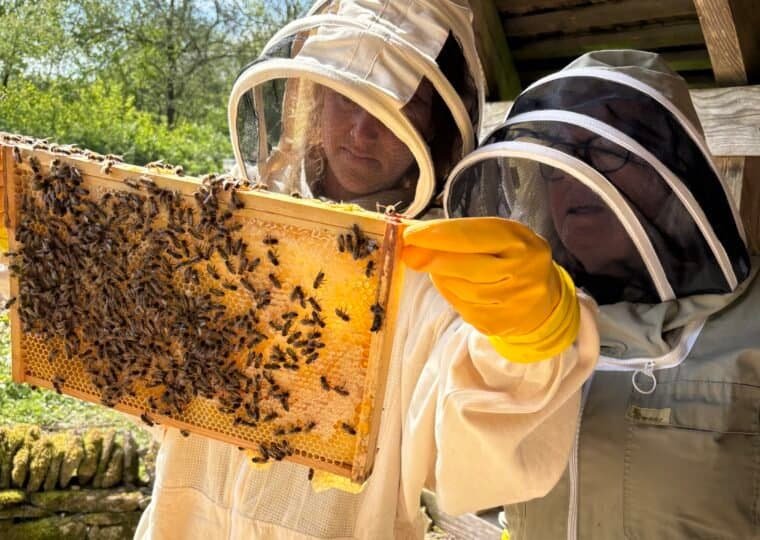
The honey bee colony is made up of worker bees, drones, and a queen. The female worker bees build wax, forage for pollen and […]
Read article →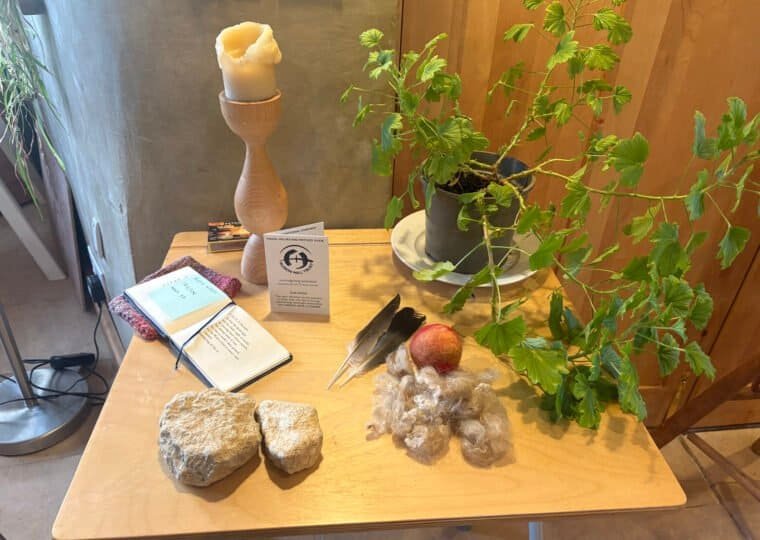
The student study arose from indications given by Rudolf Steiner (Steiner, 1919; Wiehl et al., 2020, pp. 176–179). It is used in Waldorf schools, […]
Read article →
The idea that in farming we are really exploiting the land is quite correct. Indeed, we cannot help doing so. With all that we […]
Read article →
“Plants should take in elements via humus and not through the soil water” – Rudolf Steiner In the Agriculture Course, Steiner speaks of the […]
Read article →
In old times, humanity had an instinctive relationship with the cosmos, and agriculture was conducted with deep reverence for these rhythms. The peasant farmer […]
Read article →
Introduction Lecturing on the introduction of public libraries across Britain in the mid‑nineteenth century, John Ruskin reflected on the many letters he received from […]
Read article →
The fourfold human being is a concept that sits at the heart of anthroposophy and biodynamics. It is of profound importance, yet it is […]
Read article →
The Movement Of The Planets (1.1) During the course, we acted out the movements of the planets from heliocentric, and geocentric perspectives. We represented […]
Read article →Search the site